
Does Birth Control Affect Ovulation Tracking after Stopping?
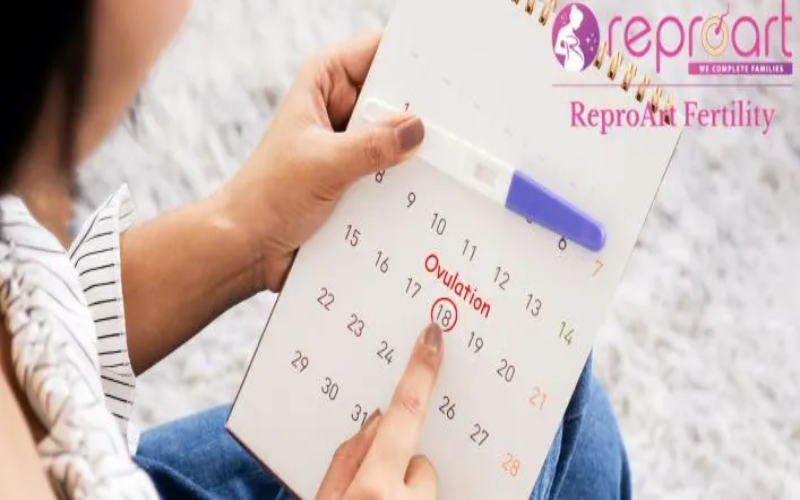
Table of Contents
# Why is Ovulation Tracking Important for Fertility?
# How Long Does It Take for the System to Reboot?
#Does Birth Control Affect Ovulation Tracking After Stopping?/a>
# How Long Does It Take to Start Ovulating Again?
#Signs That Ovulation is Returning After Stopping Birth Control
# When Should You Be Concerned?
#Common Mistakes to Avoid When Monitoring Ovulation after Stopping Birth Control
# How to Support Your Body After Stopping Birth Control
# Why You May Still Struggle With Ovulation Even Months Later
# How ReproArt Fertility Supports Your Journey
# Your Fertility Journey is Personal, and You Deserve Clarity
For many women, it is an emotional decision to stop birth control. It comes with excitement, hope, nervousness, and a long list of questions. The biggest doubt in people's minds, yet the simplest, is: "Would stopping birth control affect tracking my ovulation?" So, they want to ask, “Does birth control affect ovulation?”
This confusion is natural. Hormonal contraceptives alter the way in which the body functions, and stopping them requires time for your system to regain its natural rhythm. Some women ovulate quickly, while others may take a bit longer. But the journey becomes much easier when you understand what your body is trying to say.
This blog explains everything about birth control and the ovulation cycle in a very easy, warm, and relatable manner. It is just guidance that makes you feel supported and understood.
What is Ovulation Tracking?
Monitoring ovulation is the process of observing different signals of your body to understand when your ovary releases an egg. This so-called "fertile window" is the time when pregnancy can most likely occur.
A woman usually has a small monthly cycle, and within it lies a short period when her body is ready for conception. Tracking helps you know:
- When the egg is released
- Which days are most fertile?
- Whether your cycles are regular
- If your hormones are returning to normal after stopping birth control
Tracking ovulation can be done through numerous simple means:
- Notice changes in your cervical mucus.
- Measure your basal body temperature.
- Use an ovulation prediction kit.
- Track cycle length
- Pay attention to physical sensations, such as mild cramps and breast sensitivity.
Understanding these signs can help you recognise when your body is naturally ready to conceive.
Why is Ovulation Tracking Important for Fertility?
A woman's ability to reproduce can be greatly enhanced by knowing the pattern of ovulation. This understanding provides a level of security, as opposed to reliance upon guesswork.
1. Provides A Foundation for Planning Sexual Activity
Many studies show that a woman is at peak fertility when she has sexual intercourse within the five days leading up to ovulation, as well as on the day of ovulation. Therefore, when you track your ovulation, you will have an exact date to target for sexual relations.
2. Gives You Insight into Whether or Not Your Menstrual Cycle is Actually Normal
If your menstrual cycle has consistently been irregular for several months, this may indicate that there is an imbalance in your hormones, which can be beneficial if addressed during the early stages of trying to conceive.
3. Helps to Understand Your Fertility Strength
According to research evidence, about 85% of couples conceive naturally in one year if they time intercourse well around ovulation.
4. Reduces Emotional Stress
When you know what's happening inside your body, you feel more in control.
5. Helps Your Doctor Give the Right Guidance
If you ever need medical support, proper tracking information will help your fertility expert develop the right treatment plan.
How Does Birth Control Affect Your Body?
Hormonal contraceptives prevent pregnancy by:
- Stopping ovulation
- Cervical mucus thickening
- Control of the lining of the womb
Because ovulation is on hold, the natural communication between your brain and ovaries slows down. When you come off the pill, it starts again, but every woman's body responds differently.
How Long Does It Take for the System to Reboot?
According to a study published in the Journal of Women's Health, most women resumed ovulation within 2-6 weeks after cessation of hormonal contraceptives. But for some, it can take as long as three months.
If you had injectable birth control, ovulation may take as long as 6–10 months to return. This variation is normal.
Does Birth Control Affect Ovulation Tracking After Stopping?
Many women have this question about ovulation tracking after birth control. The simple answer is: Yes, but temporarily. Here's how birth control can affect tracking:
1. Your Periods May not Return Immediately
- Some women get their period within 4–6 weeks.
- Whereas others take 2–3 months.
- Without periods, ovulation is more difficult to track.
But this delay is usually harmless and self-correcting.
2. Cervical Mucus Patterns May Take Time to Normalise
Birth control reduces natural cervical mucus. After stopping, your body needs time to produce fertile-quality mucus again. You may notice:
- Dry days
- Sticky or creamy discharge
- Delayed appearance of clear, stretchy mucus
This momentarily confuses tracking, but it improves with time.
3. Basal Body Temperature May Fluctuate
Your pattern of temperature may appear irregular for some weeks. This is due to the resetting of your hormones.
4. The Ovulation Predictor Kits May Give Unclear Results
OPKs detect the luteinizing hormone surge. However, shortly after cessation of birth control, LH levels can be very unstable and may lead to:
- Too many positive results
- No clear surge
- Late or early surge
This is temporary.
5. You Might Ovulate Earlier or Later than Expected
Some women ovulate in the first cycle. Some ovulate after 60–90 days.
This variation affects tracking accuracy, but your body will find its rhythm.
6. Your First Few Cycles Can Be Anovulatory
After you stop birth control, your first cycle may be anovulatory. It happens to approximately 20–30% of women in the first cycle.
This may give you the impression that you are ovulating, whereas you are not. It often sorts itself out after a few cycles.
How Long Does It Take to Start Ovulating Again?
| Birth Control Type | Time for Ovulation Return (Average) |
|---|---|
| Combined pills | 2–6 weeks |
| Progestin-only pills | 2–4 weeks |
| IUD (Hormonal) | 1–2 months |
| IUD (Copper) | Immediate |
| Patch / Ring | 4–6 weeks |
| Injection | 6–10 months |
Your health, age, stress levels, and lifestyle also influence how fast things go back to normal.
Signs That Ovulation is Returning After Stopping Birth Control
Women often ask, "How will I know if ovulation has restarted?" The following are the clearest signs:
- Variation of Cervical Mucus: When fertile mucus appears, clear, slippery, stretchy, it means the body is ready.
- Mild Cramps or Pelvic Twinges: Some describe a sharp or dull sensation on one side of the lower abdomen. This may indicate ovulation.
- Increased Libido: Many women feel more desire during their fertile window, according to various studies.
- Basal Body Temperature: After the process of ovulation has occurred, your temperature will increase by approximately 0.2 to 0.5 degrees centigrade (°C).
- Ovulation Test: A positive test for the luteinizing hormone (LH) will be noted when a woman is likely to ovulate.
- Tenderness in the Breasts: A woman may experience tenderness in her breast area due to the hormonal changes that occur during the time of ovulation.
- Mood Shifts: Around ovulation, some women feel more energetic or emotional.
These signs help you reconnect with your body's natural rhythm.
When Should You Be Concerned?
Birth control normally just delays ovulation for a short period of time. But seek guidance if:
- You have no period for 90 days.
- You do not detect fertile mucus even after 3 months.
- Thicken or thin the uterine lining
- Ovulation tests remain unclear for months.
- Your cycles remain very irregular after 6 months.
- You have heavy bleeding or sharp pain.
Early assessment can save time and create a better chance of conceiving naturally.
Common Mistakes to Avoid When Monitoring Ovulation after Stopping Birth Control
Most women make small mistakes that confuse. The following are some of the most common ones:
- Expecting Regular Cycles Immediately: Your body needs time. Don't compare your journey with others.
- Depending Solely on Applications: Period apps use average predictions. They can be wrong when your cycle is just getting started.
- Testing for Ovulation Too Late:Many women wait until cycle day 14, but ovulation could occur earlier or much later.
- Misread Cervical Mucus: After the process of ovulation has occurred, your temperature will increase by approximate
- Checking Basal Temperature at Varied Times: For accurate results, take your temperature at the same time every morning.
- Assuming No Positive OPK Means No Ovulation: LH surges may be very short. Even with daily testing, you may miss it.
- Not Giving Your Body Sufficient Rest: More than people realise, stress affects your ovulation.
- Underlying Health Issues Ignored: If periods were irregular even before birth control, then that pattern may return.
How to Support Your Body After Stopping Birth Control
Here are some gentle ways to encourage natural hormonal balance:
- Eat iron-rich and protein-rich foods.
- Keep a regular sleep schedule.
- Keep your body hydrated.
- Avoid smoking and excessive alcohol use.
- Maintain a healthy weight.
- Practice deep breathing or light exercises.
- Avoid skipping meals.
- Take folic acid if planning a pregnancy.
These simple habits prepare your reproductive system for conception.
Why You May Still Struggle With Ovulation Even Months Later
Some women experience longer delays for the following reasons:
- Thyroid imbalances
- High prolactin levels
- Polycystic ovarian condition
- Low ovarian reserve
- Insulin resistance
- Stress hormone suppression
- Weight fluctuations
You are not alone. Most women face these problems in silence, and early intervention can make a big difference.
How ReproArt Fertility Supports Your Journey
If you are not seeing clear signs that ovulation occurs or if you fail to conceive after months of trying, expert care becomes very important.
At ReproArt Fertility, we offer compassionate and professional services to couples who want to start their families. We have a high level of medical expertise and provide emotional support to ensure that every couple receives the best care and support. Here is what makes us different:
1. Gentle and Personalised IUI Approach
Our care for IUI is designed to make the experience as smooth as possible for hopeful couples. We focus on:
- Choosing the Optimal Time of Insemination with Accurate Monitoring
- Preparation of the sperm sample to enhance the chances of fertilisation
- Supporting natural cycles, as well as stimulated cycles
- Ensuring comfort throughout the whole procedure.
Many couples conceive using IUI if timed precisely around ovulation.
2. Ethically Driven IVF Services of the Highest Quality
For couples needing more advanced options, we will offer the following services through our [IVF program]:
- Full Pre-Treatment Evaluation
- Highly Controlled Ovarian Stimulation
- Expert Egg Retrieval & Embryo Laboratory
- Ongoing Embryo Monitoring
- An immaculate & State-of-the-art facility where all procedures occur.
All our team members take care to pay attention to every detail of embryo development. Each embryo is the embodiment of a new beginning.
3. Precision-Based ICSI for Male Factor Fertility Challenges
ICSI is used when the sperm quality or count is low. Using fine instruments, specialists directly place a healthy sperm into a fully mature egg. This method dramatically improves the odds of fertilisation, creating opportunities for couples who had previously considered this possibility out of reach.
4. A Team That Cares Above All
We believe that compassion is just as important as science. Our team of physicians, embryologists, nurses and counsellors support you at every step of your journey, explaining everything clearly and simply.
5. Strong Emphasis on Transparency
We ensure you understand:
- Each step
- Each report
- Each possible outcome
There are no hidden procedures, no false promises, only honest guidance.
6. Support Beyond Treatment
We help couples:
- Understand lifestyle changes
- Manage emotional stress
- Feel confident throughout their journey.
Your questions are never ignored; your feelings are never dismissed.
Your Fertility Journey is Personal, and You Deserve Clarity
Coming off birth control is a huge milestone. Your body will have to take its time settling down, and tracking ovulation may seem confusing at first. Patience, awareness, and just the right kind of support will ultimately help your cycle find its natural path.
If you're feeling unsure or if your ovulation signs stay unclear, you don't have to walk alone. Call ReproArt Fertility today; your parenthood dream deserves quality assistance and compassionate care.
Frequently Asked Questions
Q1. How soon can I get pregnant after stopping birth control?
A. Some women may conceive within weeks, while others take as long as months. Your time to get pregnant also depends on things such as your age, health status, and which method of birth control you use.
Q2. Is it normal to have irregular periods after stopping birth control?
A. Yes. It takes your body time to kick-start natural hormone production again, which is normal in the first 2–3 months.
Q3. Is it possible to ovulate before having a period?
A. Yes, your first ovulation can occur before the return of your first true (natural) period.
Q4. Does the fertility app provide accurate results when stopping birth control?
A. Initially, the app may not provide reliable results due to the resetting process of your cycle pattern. We recommend recording your cycle manually until you are able to establish accurate cycle patterns.
Q5. If I don't have a period for months, what do I do?
A. You should seek to get evaluated for fertility problems. Hormonal imbalances, stress, or some other underlying issue could be an underlying reason that you're not getting pregnant.
Q6. Does stopping the pill cause long-term infertility?
A. No, birth control methods do not result in permanent loss of fertility. Most women regain their normal ovulation soon.
Q7. When is the best time to take an ovulation test?
A. Test around the same time every day and preferably in the afternoon, which is when levels of LH peak.
Q8. Should I see a fertility specialist even if I just need advice?
A. Of course, early guidance saves time, reduces stress, and helps you avoid unnecessary delays.


